
 Posts
Posts


I started to research the intergenerational transmission of trauma, looking for anything that might explain my experiences. I learned that massive trauma resists being put into language because of the enormity of its impact, often leaving a confounding silence and absence in its place. Because the trauma of the Holocaust cannot be fully verbalized, it gets re-enacted in families. Some are cast in the role of victim, some as perpetrator, others as rescuer.
My family unknowingly repeated my grandfather’s trauma and rescue again and again. We were trapped in history and did not understand how or why. Confusing things happened without explanation. We didn’t celebrate birthdays, anniversaries, graduations. We somehow knew not to try to get close. Intimacy was painful because you never knew when someone you loved would be taken away. The pact of secrecy kept us safe from the horror of the past, but it also kept us from moving on, draining the present of its vitality. Our roles never evolved.
After ruminating on this for some time, I summoned the courage to ask my therapist the question that had been nagging me: “Do you really think the trauma of the Holocaust impacted my family, impacted my life?” I did not expect her to answer my question directly, but she looked at me with a frank expression, and with blunt certainty simply said “yes.”
It is hard to know what it is that therapy does, or what is exactly therapeutic about the whole therapy process; to know which moment changed all the moments that followed. But I feel lucky that I have the memory of one such instance, the time my therapist spoke the word “yes” out loud.
-Rachel Sopher, NYT Our Secret AuschwitzArticle
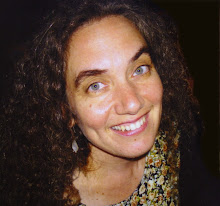
Rachel Sopher is a psychoanalyst and psychotherapist in private practice in New York.
Tuesday, July 21, 2015
Rachel Sopher: Our Roles Never Evolved


Subscribe to:
Post Comments (Atom)
No comments:
Post a Comment